Hospice Services in Texas

Hospice Services

Personalized Care and Support for Every Step of the Journey

When someone you love is facing a life-limiting illness, families often need more than medical care. They need guidance. They need answers. They need a team they can trust.

At Lifted Hospice, we provide a comprehensive range of hospice services designed to bring comfort, dignity, peace, and support to both patients and families. Our interdisciplinary team works together to address physical, emotional, psychosocial, and spiritual needs while helping patients remain as comfortable and independent as possible.

Every patient receives an individualized plan of care tailored to their diagnosis, symptoms, goals, preferences, and changing needs. Whether care is provided in a private residence, assisted living community, memory care setting, or nursing facility, our commitment remains the same: helping people live life to the fullest.

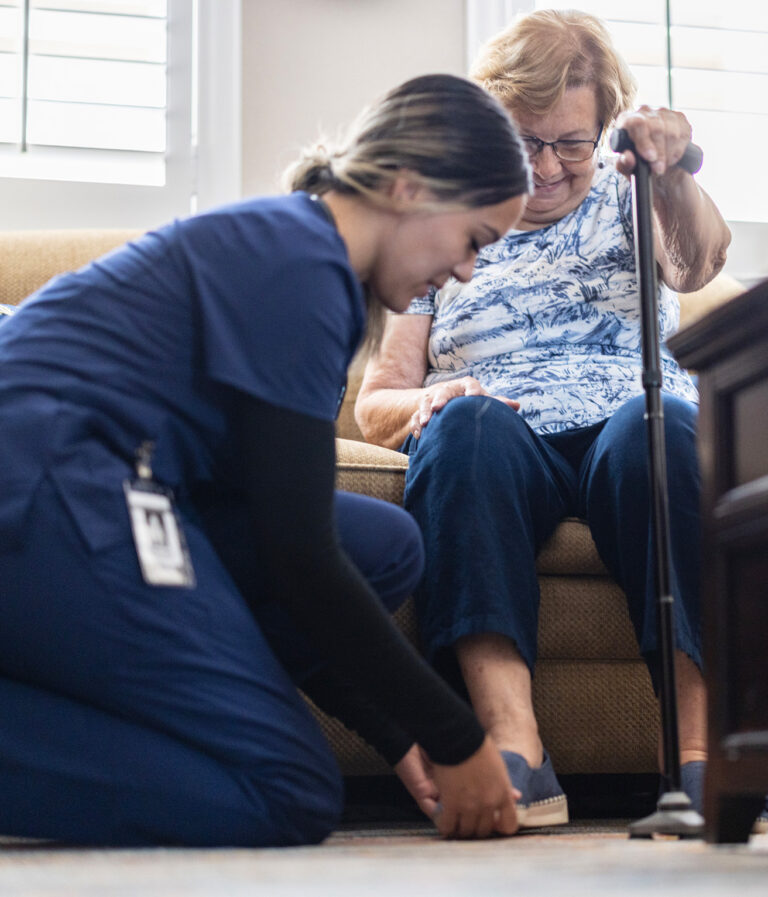
Lifted Hospice Nurse tending to elderly woman

We believe hospice is about more than managing symptoms. It is about honoring every moment, supporting every family, and ensuring no one walks this journey alone.

Hospice Services We Provide:

CNA

Nursing Care

Hospice nurses are often the primary point of contact for patients and families. They provide skilled clinical care while helping families understand what to expect as an illness progresses.

Our nurses focus on comfort, symptom management, education, and support. They work closely with physicians and the rest of the hospice team to ensure care remains aligned with the patient’s goals and needs.

Nursing services may include:

  • Pain and symptom management
  • Ongoing clinical assessments
  • Medication education and review
  • Monitoring changes in condition
  • Caregiver education and support
  • Wound care support when appropriate
  • Coordination with physicians and the hospice team
  • End-of-life education and guidance

Families often tell us that having a knowledgeable nurse available to answer questions and provide reassurance brings tremendous peace of mind during difficult moments.

A nurse is available 24 hours a day, 7 days a week for urgent needs and concerns.

Medical Director / Doctor

Physician Services

Hospice physicians and our medical director provide clinical oversight throughout the patient’s care journey. They work alongside nurses, social workers, spiritual care providers, and attending physicians to help ensure care remains focused on comfort and quality of life.

Physician services may include:

  • Oversight of the hospice plan of care
  • Pain and symptom management consultation
  • Medication review and recommendations
  • Collaboration with the patient’s attending physician
  • Hospice eligibility certification and recertification
  • Guidance for complex symptom management

Our physician team helps ensure each patient’s care remains personalized, compassionate, and clinically appropriate.

Medications for Comfort and Symptom Management

Managing symptoms effectively can significantly improve comfort and quality of life. Lifted Hospice helps provide medications related to the terminal illness and related conditions as included in the patient’s individualized plan of care.

Medications may be used to help manage:

  • Pain
  • Shortness of breath
  • Anxiety
  • Restlessness
  • Nausea
  • Constipation
  • Respiratory secretions
  • Sleep disturbances
  • Other symptoms related to the hospice diagnosis

The hospice team continually evaluates medication needs and works closely with families and physicians to make adjustments as conditions change.

Medical Equipment and Supplies

Families should never have to navigate medical equipment needs alone. Lifted Hospice coordinates equipment and supplies related to the hospice diagnosis and plan of care, helping patients remain comfortable and safe in their preferred setting.

Medical equipment may include:

  • Hospital beds
  • Oxygen equipment
  • Wheelchairs
  • Walkers
  • Bedside commodes
  • Shower chairs
  • Pressure-relief mattresses
  • Transfer equipment

Medical supplies may include:

  • Wound care supplies
  • Gloves
  • Incontinence supplies
  • Bed pads
  • Catheter supplies
  • Ostomy supplies
  • Personal care supplies
  • Other medically necessary items related to the hospice plan of care

Our team helps coordinate delivery, setup, and education so families feel confident and supported.

Hospice Aide Services

Maintaining dignity and personal comfort remains important throughout every stage of life. Hospice aides provide compassionate assistance with personal care tasks that may become difficult as an illness progresses.

Hospice aide services may include:

  • Bathing assistance
  • Grooming assistance
  • Dressing assistance
  • Hair care
  • Oral care
  • Skin care
  • Personal hygiene support
  • Linen changes related to patient care

Hospice aides work under the supervision of a registered nurse and according to the patient’s individualized plan of care.

For many families, hospice aides become a trusted and comforting presence during the hospice journey.

Hospice Liaison

Medical Social Services

A serious illness impacts more than physical health. It can affect relationships, emotions, caregiving responsibilities, future planning, and daily life.

Our medical social workers help patients and families navigate these challenges with compassion, expertise, and practical support.

Medical social services may include:

  • Emotional support
  • Family counseling and support
  • Advance care planning
  • Care planning assistance
  • Community resource coordination
  • Assistance with difficult decisions
  • Support during transitions in care
  • Guidance through emotional and practical concerns

Our social workers help families feel informed, supported, and prepared for what lies ahead.

Chaplain

Spiritual Care

Many patients and families find themselves reflecting on life’s deeper questions during serious illness. Spiritual care provides support that honors each person’s beliefs, values, traditions, and preferences.

Patients do not need to be religious to receive spiritual care.

Spiritual care may include:

  • Prayer when requested
  • Spiritual counseling
  • Life review conversations
  • Emotional and spiritual support
  • Coordination with clergy or faith communities
  • Support for family members and caregivers

Our goal is not to impose beliefs but to provide comfort, presence, and support in a way that is meaningful to each individual.

Service Provider

Emotional Support & Counseling

The emotional impact of serious illness can be significant for both patients and families. Fear, uncertainty, anxiety, sadness, and caregiver stress are common experiences.

Lifted Hospice provides emotional support throughout the hospice journey to help patients and families feel understood, supported, and cared for.

Support may include:

  • Emotional counseling
  • Caregiver encouragement
  • Family support
  • Grief support before a loss occurs
  • Assistance processing difficult emotions
  • Education regarding disease progression
  • Support during life transitions

We believe caring for the whole person means caring for emotional well-being as much as physical comfort.

CNA

Therapy Services

When appropriate, therapy services may be included as part of the patient’s plan of care.

Therapy services may include:

  • Physical therapy
  • Occupational therapy
  • Speech-language pathology

Therapy may help support:

  • Comfort
  • Safety
  • Positioning
  • Communication needs
  • Swallowing concerns
  • Mobility and transfers
  • Quality of life goals

Therapy services are individualized and focused on helping patients maintain comfort and function whenever possible.

Social Worker

Volunteer Support

Hospice volunteers provide an additional layer of support that can make a meaningful difference for patients and families.

Volunteer services may include:

  • Companionship
  • Conversation and social engagement
  • Reading aloud
  • Emotional support
  • Caregiver support through presence and companionship
  • Veteran recognition visits
  • Administrative support

Volunteer involvement is always based on patient preference, family wishes, volunteer training, and availability.

CNA

Respite Care

Being a caregiver is one of the most meaningful roles a person can have. It can also be physically and emotionally exhausting.

Respite care provides temporary relief for caregivers while ensuring the patient continues receiving quality care in an approved inpatient setting.

Respite care allows caregivers to:

  • Rest and recharge
  • Attend personal responsibilities
  • Reduce caregiver stress
  • Return to caregiving with renewed energy

Supporting caregivers is an important part of supporting patients.

General Inpatient Care

Sometimes symptoms become too difficult to manage in the current setting and require short-term intensive support.

General inpatient care may be appropriate when a patient experiences:

  • Uncontrolled pain
  • Severe shortness of breath
  • Severe agitation or restlessness
  • Complex symptom management needs
  • Symptoms requiring close clinical monitoring

The goal is to stabilize symptoms and return the patient to their preferred setting whenever possible.

Bereavement Support

Hospice care does not end when a loved one dies.

Grief is a journey that looks different for every person. Lifted Hospice provides bereavement support to eligible family members for up to 13 months following the death of a patient.

Bereavement services may include:

  • Grief education
  • Support calls
  • Counseling resources
  • Memorial events
  • Referrals to community resources
  • Ongoing bereavement support

Our commitment to families continues long after the hospice journey has ended.

Why Families choose Lifted hospice:

Choosing hospice is one of the most important decisions a family can make.

Families choose Lifted Hospice because they want more than a provider. They want a team that listens, communicates, follows through, and genuinely cares.

At Lifted Hospice, we believe every patient deserves to be treated with dignity, every family deserves clear communication, and every moment deserves to be honored.

Families can expect:

  • Compassionate, patient-centered care
  • A personalized plan of care
  • 24/7 access to clinical support
  • Experienced hospice professionals
  • Clear communication and education
  • Support for both patients and caregivers
  • Emotional and spiritual support
  • Guidance through every stage of the hospice journey
  • Team members serving with Joy

Our Mission is Simple:

Helping people live life to the fullest.

Frequently Asked Questions

You've got questions? We have answers.

The following is a like of some of the most frequently asked questions about hospice care. Should you have further inquiries, please don't hesitate to reach out to us.

Hospice care includes a wide range of services designed to support comfort, dignity, and quality of life.

Services may include nursing care, physician services, hospice aide services, medical social services, spiritual care, emotional support, medications, medical equipment, medical supplies, volunteer support, bereavement support, respite care, and other services included in the patient’s plan of care.


Yes.

Hospice provides and coordinates medical care related to the terminal illness and related conditions. Care is delivered through an interdisciplinary team that may include physicians, nurses, hospice aides, social workers, spiritual care providers, volunteers, and other professionals.

Yes.

Hospice is most often provided wherever the patient calls home. This may include a private residence, assisted living community, memory care community, or nursing facility.

Yes.

Hospice services can be provided in assisted living communities, memory care settings, nursing facilities, and other long-term care environments. The hospice team works alongside facility staff to coordinate care and support the patient’s plan of care.

Yes.

Lifted Hospice provides access to clinical support 24 hours a day, 7 days a week. Families can call anytime with urgent concerns, questions, or changes in condition.

Hospice nurses assess symptoms, manage pain, educate caregivers, coordinate care, communicate with physicians, and help families understand what to expect as conditions change.

They are often one of the primary sources of support for patients and families.

Hospice aides help with personal care needs and comfort-focused support.

Services may include bathing, grooming, dressing, oral care, skin care, and personal hygiene assistance.

Hospice social workers provide emotional support, care planning assistance, family support, community resource coordination, and guidance through difficult decisions and transitions.

Spiritual care providers offer support that respects the patient’s beliefs, values, and preferences.

Support may include prayer when requested, spiritual counseling, life review conversations, emotional support, and coordination with faith communities.

No.

Spiritual care is always optional and provided according to the wishes of the patient and family.

Hospice helps provide medications related to the terminal illness and related conditions as included in the patient’s plan of care.

The hospice team reviews medications regularly and helps ensure symptoms remain well managed.

Yes.

Hospice may provide medical equipment related to the hospice diagnosis and plan of care, such as hospital beds, oxygen equipment, wheelchairs, walkers, and other comfort or safety equipment.

Yes.

Hospice may provide supplies related to the hospice diagnosis and plan of care, including wound care supplies, gloves, incontinence supplies, bed pads, catheter supplies, and other medically necessary items.

Respite care provides temporary relief for caregivers by arranging short-term inpatient care for the patient in an approved setting.

This allows caregivers time to rest, recover, and attend to personal needs.

General inpatient care is short-term intensive care used when pain or symptoms cannot be safely managed in the patient’s current setting.

The goal is to stabilize symptoms and return the patient to their preferred setting whenever possible.

Hospice volunteers provide companionship, emotional support, caregiver support, reading, conversation, veteran recognition visits, and other supportive services based on patient needs and volunteer availability.

Bereavement support is available to eligible family members for up to 13 months following the death of a patient.

A referral can come from a physician, hospital, facility, family member, caregiver, or the patient.

Our team will help determine eligibility, answer questions, coordinate next steps, and guide families through the admission process.